Best Lens Upgrades for Canon 1500D, 200D and Other Canon DSLRs (2026)
The 18-55mm kit lens is a good start, but the right second lens changes what your Canon DSLR can do. Here are the upgrades worth buying used, and which one to pick first.
लेखक: Camera Mart· 5 मिनिटांचे वाचन
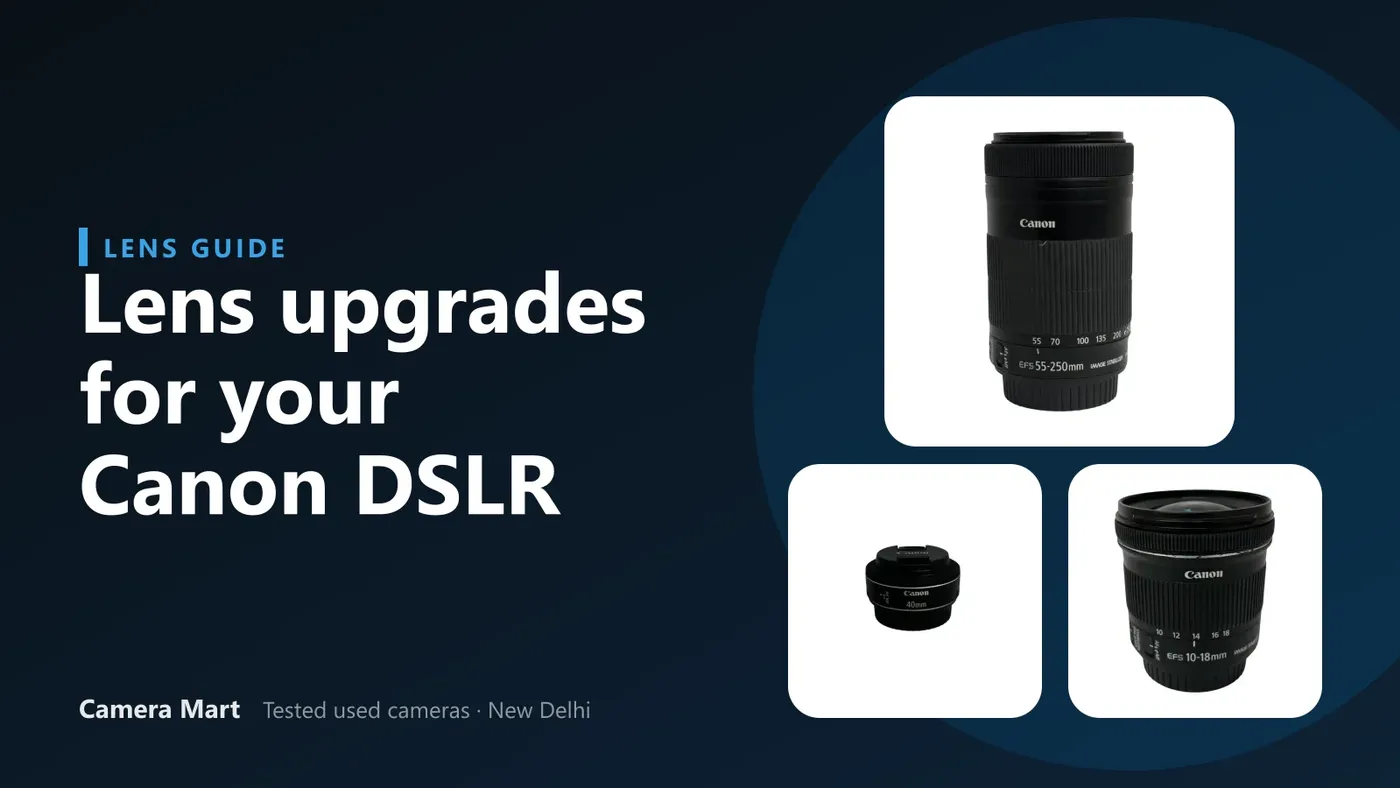
If you own a Canon 1500D, 3000D, 200D, 700D or any other Canon APS-C DSLR, the camera body is rarely what holds your photos back. The kit lens is. The 18-55mm is light and versatile, but it cannot blur a background properly, struggles indoors and doesn't reach far enough for birds or sports.
The good news is that Canon's lens range is huge, and used lenses are where the best value is. Here are the upgrades we recommend most often, what each one is for, and which to buy first.
First: which lenses fit your camera?
Canon's APS-C DSLRs use the EF-S mount, which accepts two kinds of lenses:
- EF-S lenses, made for APS-C cameras, such as the 18-55mm, 55-250mm and 10-18mm.
- EF lenses, made for full-frame cameras but fitting every Canon EOS DSLR, such as the 50mm f/1.8 and 40mm f/2.8.
Sigma, Tamron and other third-party lenses made "for Canon EF" also fit. Lenses for Canon's mirrorless cameras (EF-M for the M50 and RF for the R-series) do not fit a DSLR.
One more thing to know: Canon's APS-C sensors have a 1.6× crop factor. A 50mm lens on a 1500D frames like an 80mm lens on a full-frame camera, which is why a cheap 50mm makes such a good portrait lens on these bodies.
1. Canon EF 50mm f/1.8 STM: the portrait and low-light lens
If you only buy one lens, make it this one. The "nifty fifty" is small (about 160 g), sharp and cheap, and its f/1.8 aperture lets in almost ten times as much light as the kit lens at f/5.6. That means:
- Real background blur for portraits, food and product photos.
- Faster shutter speeds indoors, so fewer blurry photos of people.
- A quiet STM motor, which also helps when you record video.
On a crop body it frames like an 80mm, which is ideal for head-and-shoulders portraits. The only adjustment is that it does not zoom: you move your feet instead.
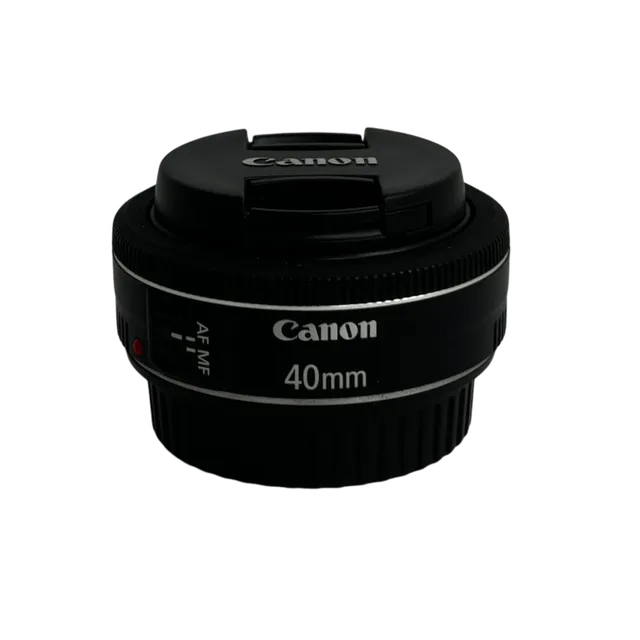
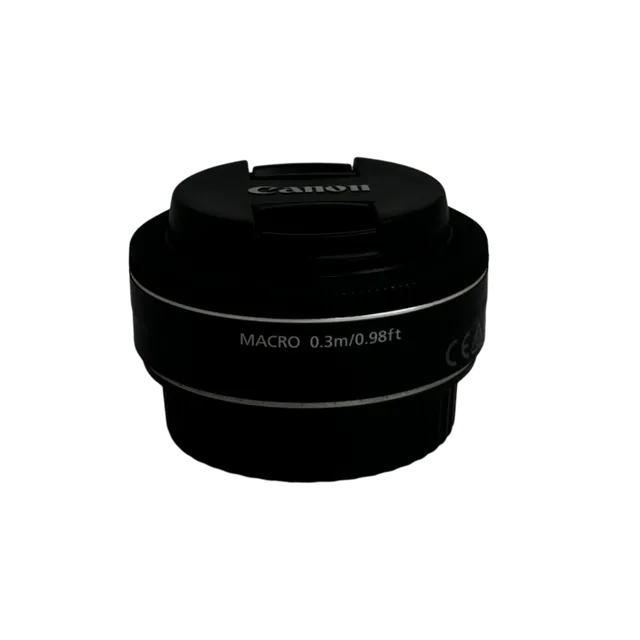
2. Canon EF 40mm f/2.8 STM: the pancake
The Canon EF 40mm f/2.8 STM is barely thicker than a body cap and weighs about 130 g. On a crop body it frames like a 64mm lens, slightly tighter than how your eyes see. It turns a DSLR into something you can carry all day, for street photography, travel and everyday photos.
It is not as bright as the 50mm f/1.8, but it focuses closer (about 30 cm), which makes it surprisingly good for food and details.
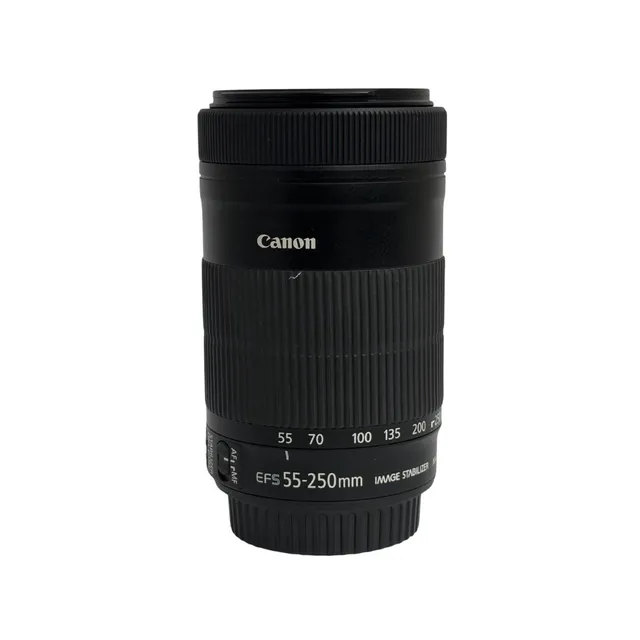
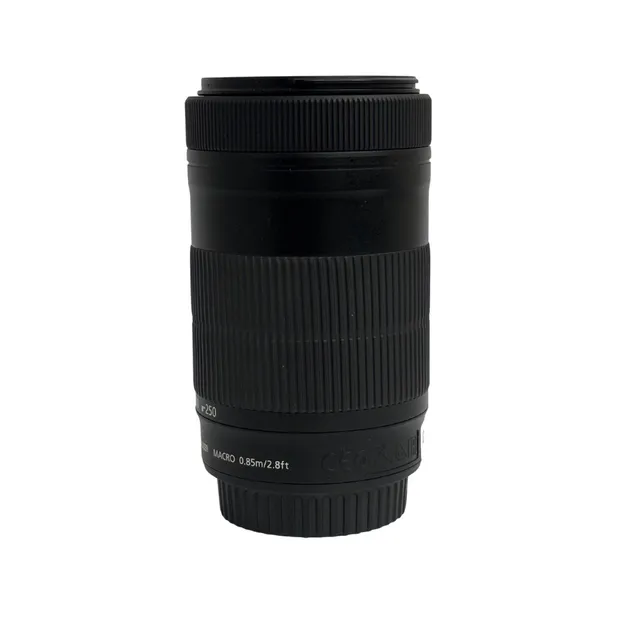
3. Canon EF-S 55-250mm f/4-5.6 IS STM: the telephoto
For wildlife, birds, sports, kids on a school stage or the moon, you need reach. The Canon EF-S 55-250mm IS STM gives you the equivalent of 88-400mm, with image stabilisation that Canon rates at four stops and a smooth, quiet STM focus motor.
It is the most common second lens for good reason: it pairs perfectly with the 18-55mm kit lens and together they cover almost everything.
On a tighter budget, the older EF-S 55-250mm IS II has the same range and stabilisation with a noisier, older focus motor. It is still a far better buy than the EF 75-300mm III, which has no stabilisation at all.
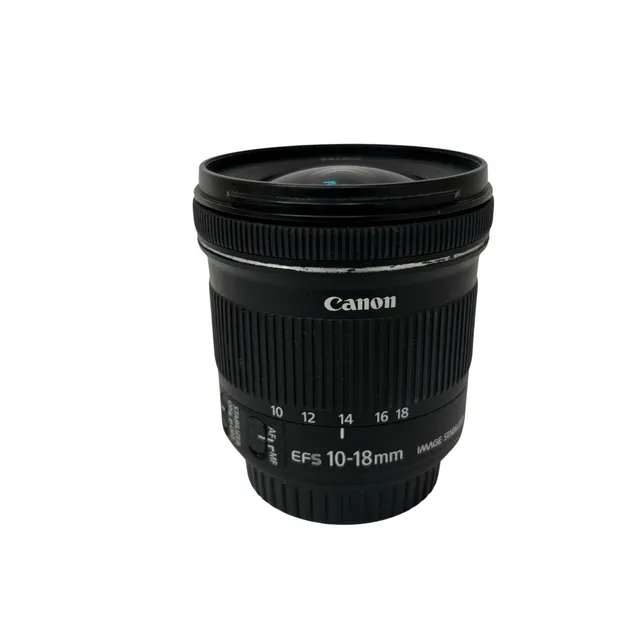
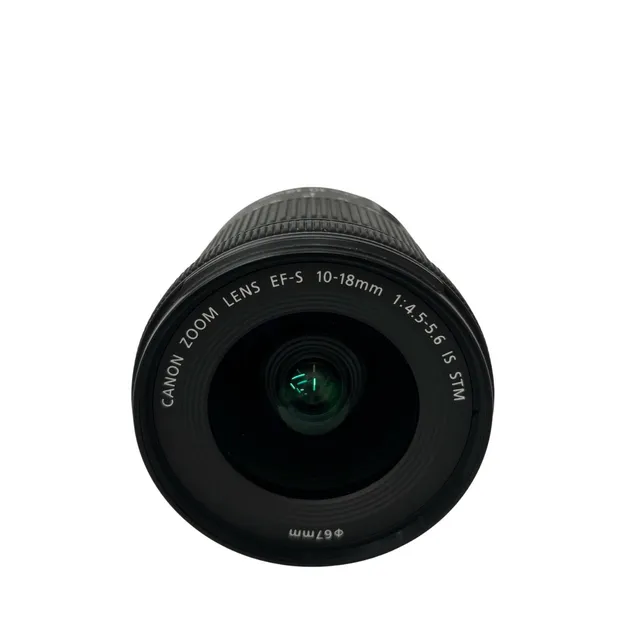
4. Canon EF-S 10-18mm f/4.5-5.6 IS STM: the wide angle
The kit lens starts at 18mm, which is not very wide on a crop sensor. The Canon EF-S 10-18mm IS STM goes to the equivalent of 16mm, wide enough for:
- Landscapes and mountains.
- Architecture and interiors.
- Small rooms, cars and real-estate photos.
- Vlogging with the camera at arm's length.
It weighs only about 240 g and is stabilised, so you can shoot handheld in dim interiors.
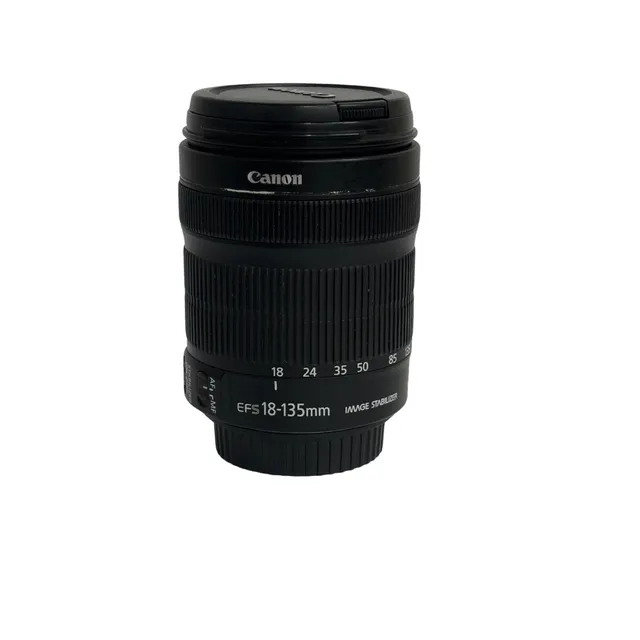
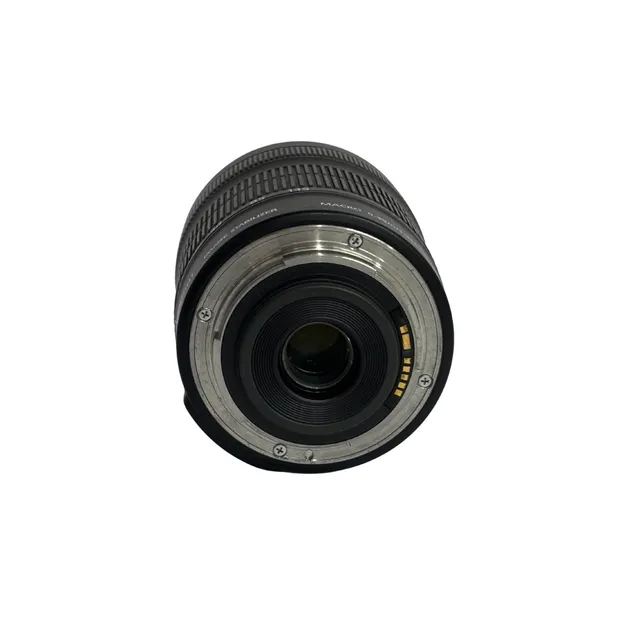
5. Canon EF-S 18-135mm IS STM: the one-lens upgrade
If you would rather carry one lens than swap between two, replace the kit lens with the EF-S 18-135mm IS STM. It covers wide to medium telephoto (about 29-216mm equivalent) with stabilisation and quiet focusing, which makes it a favourite for travel and events.
The older EF-S 18-135mm IS (without STM) is cheaper and just as useful for photos, but its focus motor is louder on video. For even more reach, the EF-S 18-200mm IS goes further at the cost of extra weight (about 595 g).
Which one should you buy first?
- Portraits, food, low light, indoor events: 50mm f/1.8 STM.
- Birds, wildlife, sports, distant subjects: 55-250mm IS STM.
- Landscapes, architecture, interiors: 10-18mm IS STM.
- Travel, one lens for everything: 18-135mm IS STM.
- Street and everyday carry: 40mm f/2.8 STM.
Not sure which lenses fit your camera? Open our Kit Builder, pick your camera, and it shows only the lenses that fit it. You can browse all used Canon lenses too.
What to check on a used lens
A lens is simple to check, and most problems are visible:
- Shine a torch through it from both ends. Look for fungus (thin, web-like threads), haze (a milky look) and scratches on the front and rear glass. A few specks of dust are normal and do not affect photos.
- Check the mount for heavy wear and the electrical contacts for corrosion.
- Zoom and focus through the full range. It should feel smooth, with no grinding or tight spots.
- Test autofocus in good and poor light, through the viewfinder and on the screen.
- Test stabilisation: half-press the shutter and watch the image settle in the viewfinder at the long end.
- Stop the lens down to f/16 while pressing the depth-of-field preview button (if your camera has one) or take a photo, to make sure the aperture blades move freely and are not oily.
For a full camera-and-lens checklist, see how to check a used camera before buying. And if you have not picked a body yet, our comparison of the Canon 1200D vs 1300D vs 1500D will help.
प्रश्न आणि उत्तरे
Which lenses fit the Canon 1500D?+
The Canon 1500D, 3000D, 200D, 700D, 80D and other Canon APS-C DSLRs take both EF and EF-S lenses, plus Sigma and Tamron lenses made for Canon EF. Lenses for Canon’s mirrorless mounts (EF-M and RF) do not fit.
What is the best first lens upgrade for a Canon DSLR?+
For portraits and low light, a 50mm f/1.8 STM. For wildlife, sports and distant subjects, the EF-S 55-250mm IS STM. If you want one lens that replaces the kit lens, the EF-S 18-135mm IS STM.
Is the Canon 55-250mm better than the 75-300mm?+
For most APS-C users, yes. The EF-S 55-250mm IS STM has image stabilisation and a quiet STM motor and is sharper at the long end. The older EF 75-300mm III has no stabilisation, which makes sharp handheld shots at 300mm much harder.
Do full-frame Canon EF lenses work on a crop-sensor body?+
Yes. EF lenses fit every Canon EOS DSLR. On an APS-C body the field of view is 1.6 times narrower, so a 50mm lens frames like an 80mm lens would on full frame.